Warning: Disclosure: Independent article. Affiliate links may earn commission at no cost to you.
Berberine is in our #1 rated formula — See Liv Pure →
Home›Reviews›Berberine Benefits
Ingredient Deep-Dive · 2026
Berberine Benefits — Proven Science Behind This Powerful Plant Compound
Berberine has been called “nature’s Metformin.” It is one of the most extensively researched plant alkaloids in metabolic medicine — and the clinical evidence behind it is genuinely impressive.
EDEditorial Team · Health & WellnessUpdated July 2026 · 10 min read
2,800+published studies on Berberine in PubMed500mgtypical clinical dose, 2–3× daily3–6weeks to see measurable metabolic effects
What Is Berberine?
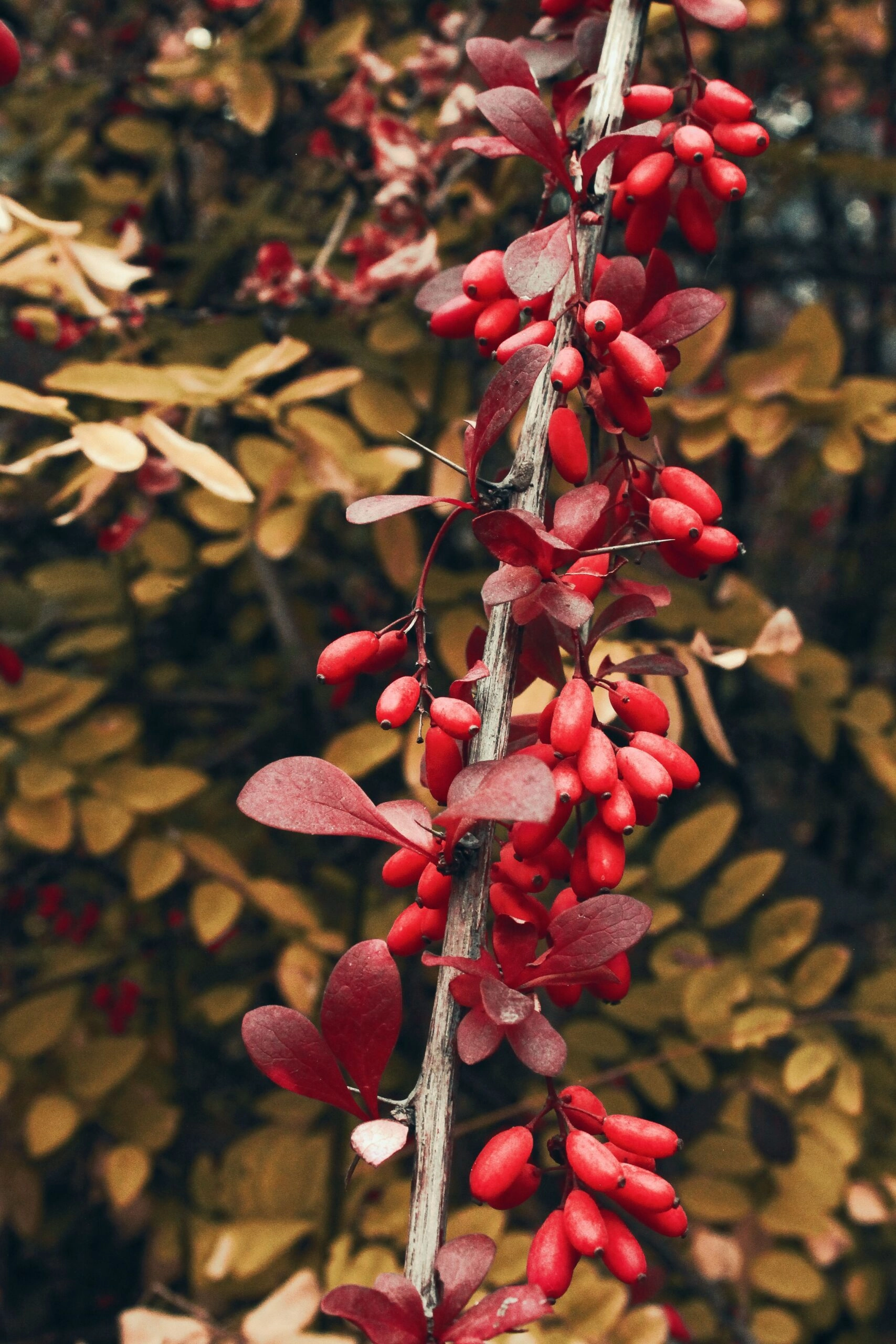
Berberine is a bioactive plant alkaloid found naturally in several plants including Berberis vulgaris (barberry), Coptis chinensis (goldenseal), and Oregon grape root. It has been used in traditional Chinese and Ayurvedic medicine for centuries, primarily for its antimicrobial and anti-inflammatory properties.
In the last two decades, modern clinical research has revealed a far broader set of metabolic mechanisms — positioning Berberine as one of the most clinically significant natural compounds for blood sugar regulation, liver health, and cardiovascular risk markers. The Berberine Benefits covered in this guide are backed by peer-reviewed human trials, not just tradition.
It is one of the key active ingredients in the Liv Pure formula, where it contributes to the Liver Purification Complex’s overall effect on metabolic detoxification and lipid management, reinforcing several of the Berberine Benefits discussed throughout this guide.
Proven Berberine Benefits — What the Research Shows
The proven Berberine Benefits below are organized by strength of clinical evidence, from strongest to more preliminary.
Evidence: Strong — Blood Sugar Regulation. Berberine activates AMPK (AMP-activated protein kinase) — often called the body’s “metabolic master switch.” This activation improves insulin sensitivity, enhances glucose uptake in muscle cells, and reduces hepatic glucose production. Multiple meta-analyses have compared its blood glucose effects favorably with pharmaceutical interventions. Systematic review and meta-analysis, The Journal of Nutrition — berberine significantly lowered fasting glucose and HbA1c across 20 randomized controlled trials. Read the meta-analysis →
Evidence: Strong — Lipid Profile Improvement (Cholesterol & Triglycerides). Clinical trials consistently show Berberine reduces LDL cholesterol, total cholesterol, and triglycerides while modestly increasing HDL. The mechanism involves upregulation of LDL receptors in the liver and inhibition of PCSK9 — the same pathway targeted by expensive pharmaceutical lipid drugs. Systematic review: Kong et al. — significant reductions in LDL (avg. −0.65 mmol/L) and triglycerides across multiple randomized controlled trials.
Evidence: Strong — Liver Health and Fatty Liver Support. Berberine is one of the most studied natural compounds for non-alcoholic fatty liver disease (NAFLD). It reduces hepatic fat accumulation, lowers liver enzymes (ALT and AST), and improves liver histology in clinical studies. Its AMPK-activating mechanism reduces hepatic lipogenesis — the liver’s tendency to create new fat. RCT: Berberine vs. lifestyle intervention — comparable reductions in liver fat content (assessed by ultrasound) at 16 weeks.
Evidence: Strong — Gut Microbiome Modulation. Berberine positively shifts the gut microbiome composition, increasing populations of beneficial bacteria and reducing pathogenic strains. This gut-liver axis effect contributes to improved hepatic metabolic function and may explain some of Berberine’s systemic anti-inflammatory benefits. Review: Berberine’s modulation of Akkermansia and Lactobacillus populations linked to improved glucose metabolism outcomes.
Evidence: Moderate — Anti-Inflammatory Effects. Berberine inhibits NF-κB signaling — a central driver of systemic inflammation — and reduces several pro-inflammatory cytokines including IL-6 and TNF-alpha. Chronic low-grade inflammation is a key driver of metabolic dysfunction, making this anti-inflammatory property a meaningful secondary benefit.
Evidence: Moderate — Weight and Body Composition. Berberine’s combined effects on AMPK activation, insulin sensitivity, and gut microbiome composition contribute to modest but consistent weight loss outcomes in clinical trials — averaging 2–5 lbs over 12 weeks as a standalone compound. In combination with complementary metabolic ingredients, this effect is meaningfully amplified.
Evidence: Moderate — Cardiovascular Protection. Beyond lipid management, Berberine has demonstrated cardioprotective properties including antihypertensive effects, reduced arterial stiffness, and anti-arrhythmic activity in both animal models and early human trials. While not a replacement for cardiac medications, it represents a meaningful adjunctive support compound for cardiovascular health.
How Berberine Works — The AMPK Mechanism
The AMPK Activation Cascade
→ Berberine enters cells via organic cation transporters and accumulates preferentially in tissues with high metabolic activity — liver, muscle, and adipose.
→ AMPK is activated — the cellular energy sensor that governs whether cells burn fat or store it. AMPK activation mimics the metabolic state of fasting or exercise at the cellular level.
→ Glucose uptake increases in muscle tissue, independent of insulin — reducing blood glucose and improving insulin sensitivity simultaneously.
→ Hepatic fat production slows — AMPK inhibits the lipogenesis enzymes that create new fat in the liver, directly reducing hepatic steatosis.
→ LDL receptor expression increases — the liver removes more LDL from circulation, improving cholesterol profiles without requiring pharmaceutical PCSK9 inhibitors.
Understanding this pathway explains why the Berberine Benefits described above are grounded in a specific, well-documented mechanism rather than correlation alone.
Dosage and Timing
The Berberine Benefits outlined above depend on consistent dosing and sufficient duration — timing, food intake, and consistency of use all influence how quickly effects appear.
| Use Case | Typical Dose | Duration | Notes |
|---|---|---|---|
| Blood sugar management | 500mg × 2–3 daily | 12+ weeks | Take with meals to improve absorption |
| Lipid management | 500mg × 2–3 daily | 8–12 weeks | Effects visible from week 4 onward |
| Liver support (NAFLD) | 500mg × 2 daily | 16+ weeks | Best combined with dietary fat reduction |
| General metabolic support | Blend (as in Liv Pure) | Ongoing | In combination with complementary compounds |
In supplement formulas like Liv Pure, Berberine is included as part of a synergistic blend alongside compounds like Silymarin, Betaine, and Glutathione — each addressing a different aspect of liver and metabolic function. This combined approach avoids the need for isolated mega-doses and may improve both efficacy and tolerability.
Important Safety Considerations and Drug Interactions
⚠ Consult your healthcare provider before taking Berberine if you are on any of the following medications:
Understanding the safety profile matters as much as understanding the Berberine Benefits themselves, particularly for anyone taking prescription medication.
- Metformin or other diabetes medications — combined blood glucose lowering may cause hypoglycemia
- Blood thinners (Warfarin, aspirin) — Berberine may affect CYP2C9 enzyme activity
- Statins — potential additive effects on lipid-lowering; may require dose adjustment
- Cyclosporine — Berberine inhibits CYP3A4, potentially elevating cyclosporine blood levels
- Antibiotics — Some interactions with macrolide antibiotics have been reported
Berberine is generally well tolerated at clinical doses. The most commonly reported side effects are mild gastrointestinal symptoms — particularly at higher doses or when taken on an empty stomach. Taking Berberine with meals significantly reduces GI discomfort.
It is not recommended during pregnancy or breastfeeding due to limited safety data in these populations.
Berberine as Part of a Multi-Ingredient Formula
Berberine’s most impressive effects emerge when it is combined with complementary compounds that address different aspects of the same metabolic pathways. In the Liv Pure formula, Berberine works alongside:
- Silymarin — antioxidant and hepatocyte regeneration support that addresses the cellular damage Berberine’s AMPK activation helps prevent
- Betaine — methyl donor that supports homocysteine metabolism and directly reduces hepatic fat accumulation
- Glutathione — the master antioxidant that protects liver cells from the oxidative stress that impairs Berberine’s metabolic targets
- Green Tea EGCG — additional AMPK activator that creates a synergistic fat-oxidation effect alongside Berberine
This layered approach is why a well-formulated multi-ingredient supplement consistently outperforms isolated Berberine supplementation for metabolic outcomes, reinforcing why the full spectrum of Berberine Benefits is best realized as part of a complete formula. For the full ingredient breakdown, see our detailed comparison of the best liver support supplements.
Berberine + 9 More Researched Ingredients
Liv Pure combines Berberine with its most powerful synergistic partners — in a single daily formula backed by a 60-day guarantee.
See Liv Pure — Official Offer → · 10 Active Ingredients · GMP-Certified · Plant-Based · 60-Day Guarantee
Related Reading
Explore more research-backed guides related to Berberine Benefits and liver health below.
Full Review: Liv Pure Review 2026 — Does This Powerful Liver-Support Supplement Actually Work?
Science Guide: Liver Health and Weight Loss — The Powerful Hidden Connection Explained
Comparison: Best Liver Support Supplements 2026 — Top 7 Proven Formulas Compared
Browse All: All Supplement Reviews & Ingredient Guides
Frequently Asked Questions
The FAQs below address the most common questions about Berberine Benefits, dosing, and safety.
Is Berberine the same as Metformin? No — they are different compounds with overlapping mechanisms. Both activate AMPK and improve insulin sensitivity, but through different molecular pathways. Berberine is a plant alkaloid; Metformin is a synthetic biguanide. They are not interchangeable, and Berberine does not replace prescribed diabetes medication. However, their clinical outcomes for blood glucose and HbA1c reduction are strikingly similar in some head-to-head trials.
How long does it take for Berberine to work? Most people begin to notice effects on blood sugar and energy within 2–4 weeks of consistent use. Measurable improvements in lipid panels typically appear by weeks 6–8. Liver-specific outcomes (such as reduced ALT/AST enzymes) are usually assessed at 12–16 weeks. Consistent daily use is essential for sustained results.
Can I take Berberine every day long-term? Current research does not identify toxicity concerns with long-term Berberine use at clinical doses. Some practitioners recommend periodic cycling (e.g., 8 weeks on, 2 weeks off) based on precautionary principles, though this is not universally supported by evidence. Always consult a healthcare provider for personalized guidance on long-term supplementation.
Does Berberine cause side effects? The most common side effects are mild and gastrointestinal: nausea, constipation, or diarrhea — particularly at higher doses or when taken on an empty stomach. Taking Berberine with meals significantly reduces these effects. At standard clinical doses (500mg 2–3× daily), the compound is well tolerated by most healthy adults.
What plants contain Berberine naturally? Berberine is found in the roots, bark, and stems of several plants including Berberis vulgaris (barberry), Coptis chinensis (Huang Lian), Hydrastis canadensis (goldenseal), Mahonia aquifolium (Oregon grape), and Phellodendron amurense (Amur cork tree). Most supplements use a standardized extract from barberry or goldenseal root.
Medical Disclaimer: This article is for informational and educational purposes only. It does not constitute medical advice and is not a substitute for professional healthcare consultation. Berberine may interact with prescription medications. Always consult a qualified healthcare provider before starting any supplement, particularly if you are managing a chronic condition or taking prescription drugs.
Affiliate Disclosure: This website contains affiliate links. The owner of this site may receive a commission if you click through and make a purchase, at no additional cost to you. This financial relationship does not influence our editorial assessments.
Health & Medical Disclaimer: The content on this page is for informational and educational purposes only and is not intended to diagnose, treat, cure, or prevent any disease or medical condition. This product is a dietary supplement, not a drug or medical device. Statements regarding dietary supplements have not been evaluated by the Food and Drug Administration (FDA). Individual results may vary. Always consult with a qualified healthcare professional before beginning any new supplement regimen, especially if you have a pre-existing medical condition or are taking prescription medication.
ClickBank Disclosure: ClickBank is the retailer of products on this site. CLICKBANK® is a registered trademark of Click Sales Inc., a Delaware corporation located at 1444 S. Entertainment Ave., Suite 410, Boise, ID 83709, USA and used by permission. ClickBank's role as retailer does not constitute an endorsement, approval, or review of these products or any claim, statement, or opinion used in the promotion of these products.
FTC Compliance Notice: In accordance with the FTC's guidelines concerning the use of endorsements and testimonials in advertising, user testimonials on this page reflect the individual experiences of actual customers. Results described are not typical and your results will vary. No specific outcome is guaranteed.
Order / Payment Support: ClickBank 1-800-390-6035 · www.clkbank.com